Posted by: Thunderstorm 2018 - Daniel
Newsfeed: Week 5 | (8 years ago)
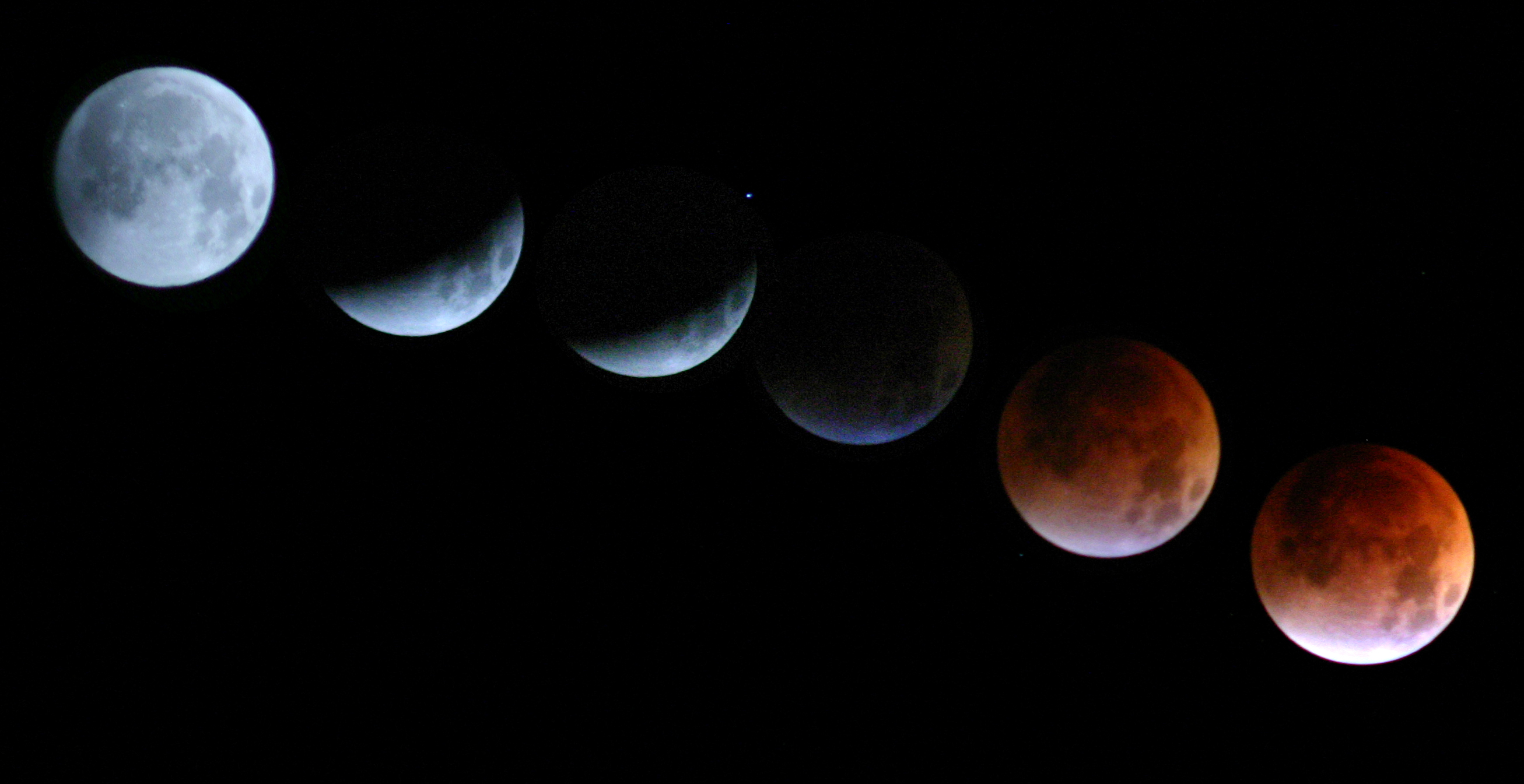
A rare "super-blue-bloodmoon eclipse" will fascinate moon fans at the end of January. However, it remains hidden from the sky-goers in Germany. Because when the moon rises in this country, the darkness is already largely over. On the other hand, people in parts of Asia, Australia and the western half of North America can see the phenomenon of the so-called Red Moon or Bloodmoon. There, the moon is not only particularly close to the earth (supermoon), but there is also a so-called blood moon eclipse. In the run-up to the eclipse, the name "Super-Blue-Bloodmoon" also made the rounds. Behind it is a combination of the Mofi-bloodmoon (Mofi is the short form of lunar eclipse, note of the Red.) with the terms supermoon and blue moon. However, these two terms are not important for scientists, but only for statisticians. Supermoon is called a full moon, where the Earth's satellite is very close to our planet - this is the case on Wednesday, 31 January 2018. The full moon is then up to 14 percent larger and about 30 percent brighter than other full moons. With the naked eye, untrained observers can hardly notice the difference. There is also no comparison with other full moons when looking at the sky. The name Blue Moon became a naturalised term for the occasional second full moon within one month. Indeed, the full moon on Wednesday is indeed the second in January this year. But the "Blue Moon" has nothing to do with the color of the moon.







































 Home
Home Content
 Videos
 Pictures
 Blog
Blog 5
5